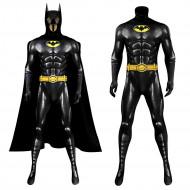
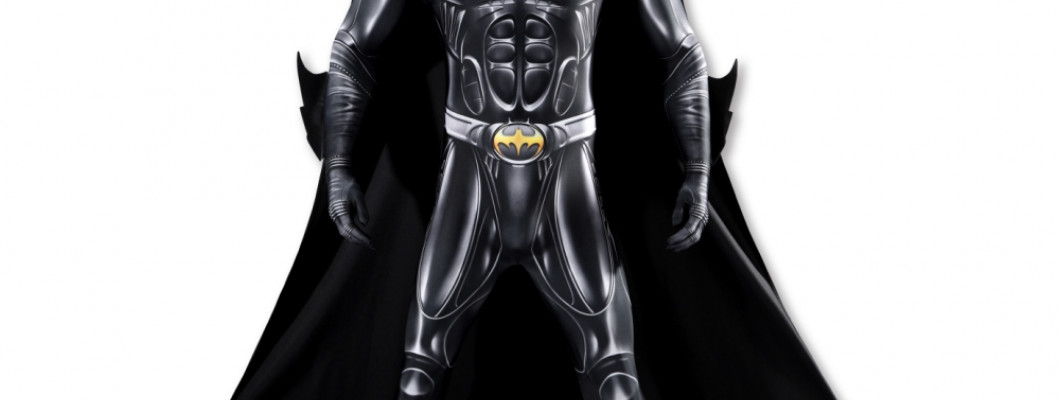
Choosing between Batman costumes gets confusing fast because many of them share the same basic ingredients: a dark suit, cape, bat emblem, belt, and cowl. The differences that matter are usually larger visual choices rather than tiny surface details.
A gray-and-black comic-style suit gives you a very different Batman from a nearly monochrome tactical design. Tall ears change the silhouette. A yellow chest emblem can dominate the entire costume, while a black emblem integrated into dark armor creates a much quieter look.
A useful way to narrow the options is to make four decisions in order:
Choose the Batman style you want to portray.
Decide where you will wear the costume.
Check the fit against the seller's measurements.
Verify exactly which pieces are included.
Starting with style makes the rest of the buying process much easier.
Decide What Kind of Batman You Want to Look Like
You do not need to memorize every Batsuit Bruce Wayne has worn. Focus on the broad visual direction.
| Batman style | What stands out | Overall appearance |
|---|---|---|
| Classic or comic-inspired | Gray-and-black contrast, bold emblem, visible belt | Graphic and immediately recognizable |
| Animated | Simplified shapes, strong color blocking, exaggerated proportions | Clean and stylized |
| Retro movie | Dark body, prominent emblem or belt, distinctive cowl | Gothic and cinematic |
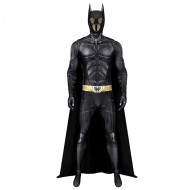
| Tactical movie | Dark segmented torso, restrained colors, armor-like graphics | Grounded and armored |
| Game-inspired | Dense panel lines, sharper shapes, technical detailing | Aggressive and highly detailed |
Each approach creates a different version of Batman.
A tactical suit can look impressive up close but may appear mostly black from across a room. A comic-inspired suit with a gray torso and bright belt uses stronger contrast, so its major Batman features remain obvious even before somebody notices the smaller details.
Choose the visual direction first. Specific versions become much easier to compare afterward.
Pay Attention to the Chest Emblem and Color Blocking
The chest emblem occupies a relatively small part of the costume, but it often determines how the whole suit reads.
A yellow oval emblem creates an immediate focal point. It separates clearly from a black or gray torso and pushes the costume toward a classic or retro Batman appearance.
A large black bat across a gray chest produces a different effect. The emblem can remain visually dominant without adding another bright color, giving the costume a strong comic-book silhouette.
A black emblem integrated into a dark armored torso is much subtler. Instead of drawing attention through color contrast, the design depends on shape, panel lines, and surrounding texture.
The utility belt works the same way.
A yellow or gold belt creates a strong horizontal break across the costume. A darker belt keeps the figure more monochrome and supports the visual language used by many grounded or tactical interpretations.
When comparing Batman costumes online, zoom out occasionally. Product close-ups make every seam and printed panel look important. At normal viewing distance, the larger color blocks usually matter more.
Look at the Whole Silhouette, Not Just the Torso
It is easy to focus on the chest because product photos tend to showcase the emblem and muscle or armor graphics. Batman's silhouette, however, depends heavily on the cowl and cape.
Cowl and ear shape
Longer ears create a sharper, more graphic outline and are associated with many comic, animated, and cinematic interpretations of Batman.
Shorter ears create a heavier, more compact head shape and appear in several grounded or tactical versions of the character.
The eye openings also affect the face. Larger openings expose more of the wearer, while narrower openings create a more severe masked appearance.
These differences can matter more than minor panel details on the chest.
Cape shape
A cape changes the apparent width and weight of the entire costume.
A broad cape can create a larger dark frame around the upper body. A narrower cape leaves more of the torso and legs visible. Length matters too: a longer cape produces a stronger vertical line, while a shorter cape puts more emphasis on the suit underneath.
Do not reduce the cape to a simple "included or not included" checkbox. Look at how it interacts with the rest of the costume.
Decide How Much Armor Detail You Actually Want
Many modern Batman costumes use graphics that imitate armor plates, reinforced panels, or tactical construction.
That does not necessarily mean the costume contains physical armor.
This distinction matters when shopping online. Printed panel lines can create the appearance of a complicated armored Batsuit even when the underlying garment is a jumpsuit.
Visually, more segmentation usually makes a costume feel more tactical. Chest panels, abdominal divisions, knee sections, and thigh graphics break the body into smaller shapes.
Simpler costumes work differently. Broad muscle shading, large uninterrupted gray sections, and cleaner outlines push the appearance toward comics or animation.
Match the amount of visible detail to the Batman style you chose at the beginning. An animated interpretation generally benefits from cleaner shapes, while a grounded movie design may depend more heavily on segmented armor graphics.
Think About Where You Will Wear the Costume
The same Batman costume can make sense for one event and feel unnecessarily complicated for another.
Halloween parties
Instant recognition usually matters more than version-specific accuracy. A clear emblem, belt, cape silhouette, and strong color contrast can make the character easier to identify quickly.
Also check the package contents. Promotional photography may show a complete Batman look even when some pieces are not part of the base package.
Comic conventions
Specificity matters more at a convention because other attendees are more likely to recognize individual Batman designs.
If you want to portray a particular movie, game, or animated version, compare the major identifying features:
chest emblem shape
cowl proportions
belt color and placement
torso segmentation
cape treatment
overall color scheme
Those features are usually more useful identifiers than tiny printed textures.
Photos and staged appearances
Strong silhouettes and clear color blocking remain visible as the subject occupies less of the frame.
A contrasting emblem or belt is easier to distinguish from a distance than black details layered over another nearly black surface. Dark tactical costumes communicate their identity differently, relying more on silhouette, shape, and surface detail than bold color separation.
Check the Fit Before Ordering
Batman costumes from different sellers do not share one universal sizing system.
Do not assume that because you normally wear a men's medium, every Batman suit labeled medium will fit the same way.
Use the specific size chart for the costume you are considering.
Compare the measurements the seller provides, particularly:
chest
waist
hips
height
inseam or torso length, when listed
Height and torso proportions can be especially important with one-piece jumpsuits because the upper and lower sections cannot be adjusted independently.
If you plan to wear anything underneath the suit, take that into account when comparing measurements rather than assuming there will automatically be enough room.
Also confirm whether you are looking at adult or kids sizing. Similar product thumbnails can make that distinction less obvious than it should be.
Verify Exactly What Comes With the Costume
Never assume every visible piece in a product photo is included.
Check the package description for items such as:
jumpsuit
cape or cloak
mask or cowl
belt
gloves
boot covers
footwear components
The cowl deserves particular attention. Some Batman costumes include one, while others may offer it separately or omit it from the base package.
Also check selectable options before ordering. Listings may offer different zipper configurations, footwear-related options, masks, or other variations.
A photograph shows what the finished character can look like. The product listing tells you what you are actually buying. Humanity has been conducting commerce for several thousand years, yet this distinction remains surprisingly necessary.
When Two Batman Costumes Still Look Equally Good
If you have narrowed the choice to two or three suits, compare them in this order.
First, compare the silhouette.
Which cowl, cape, and overall shape looks more like your preferred Batman?
Second, compare the emblem and color balance.
Do you want strong contrast or a darker, more integrated design?
Third, compare the level of detail.
Does the armor or muscle treatment fit the source style you want?
Fourth, compare the intended use.
A recognizable Halloween costume and a version-specific convention cosplay do not need to solve exactly the same problem.
Fifth, compare fit and package contents.
The visually stronger choice stops being stronger if the available measurements do not work for you or important pieces need to be purchased separately.
Price makes more sense as the final constraint rather than the first one. Two costumes at the same price can create very different Batman appearances.
Three Visual Directions to Compare
Once you know what to look for, real products become much easier to evaluate.
For example, the XheroSuits Batman costume collection includes Batman designs from several movies and visual styles.
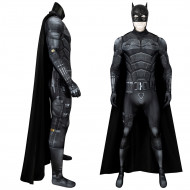
A costume based on Robert Pattinson's Batman represents the darker tactical end of the spectrum. The XheroSuits version uses a dark, segmented armor-style design with a broad chest emblem and restrained color contrast. Its base package lists a jumpsuit and cloak.
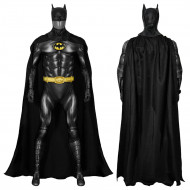
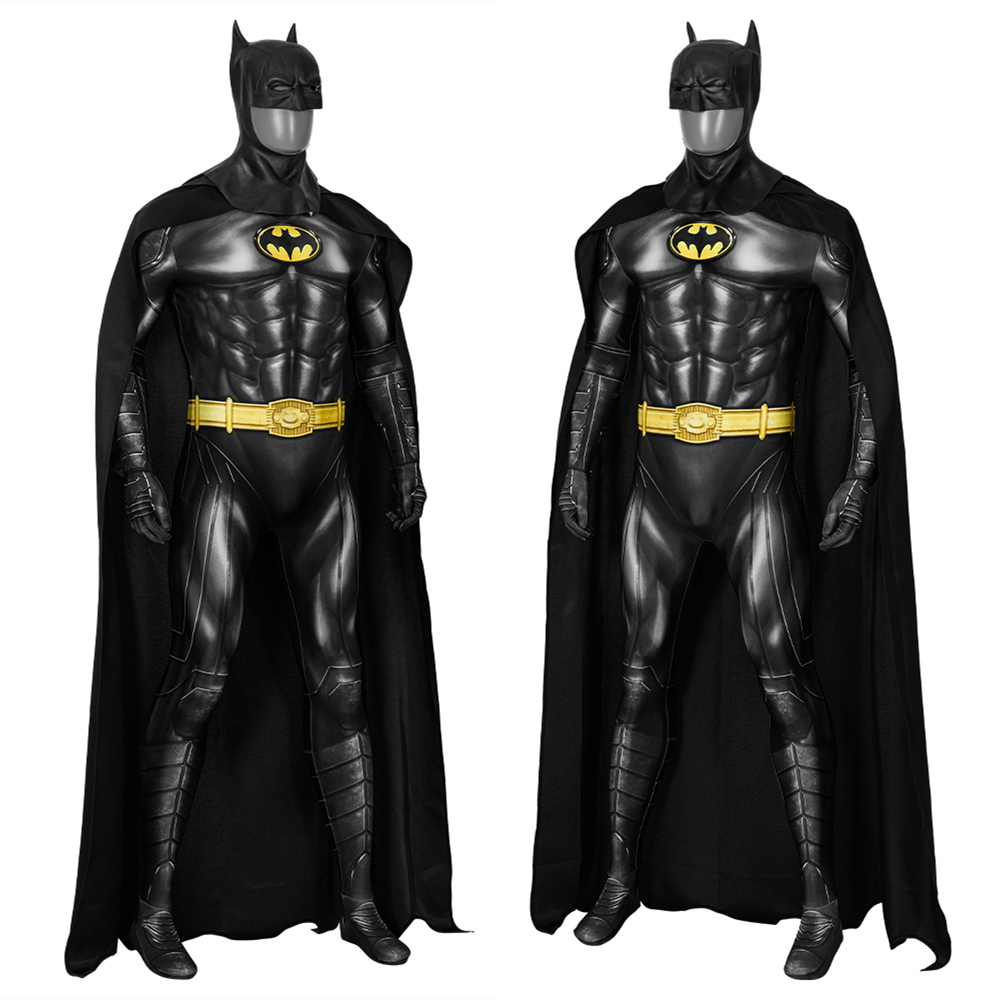
By comparison, the Batman design associated with The Flash uses a yellow-and-black oval chest emblem and yellow belt against the dark suit. Those areas of contrast create a noticeably different visual balance even though the costume remains predominantly dark.
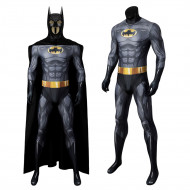
An animated-style Batman takes the opposite approach. Gray body sections, strong black-and-gray separation, a visible yellow emblem or belt, and simpler shapes make the design read more graphically than a heavily segmented modern movie suit.
These three directions show why choosing Batman costumes by the amount of detail alone is not very useful. A tactical movie suit, a retro-influenced design, and an animated Batman are trying to create different versions of the same character.
Choose the Big Visual Decisions First
The longest feature list does not tell you which Batman costume will look most like the version you want.
Start with the details people notice first:
the cowl silhouette
the chest emblem
the gray, black, or colored sections
the cape
the overall level of armor detail
Then verify the practical details that determine whether the costume will actually work for you: measurements, included pieces, and selectable options.
Once those decisions are clear, a page full of Batman costumes stops looking like twenty nearly identical black suits. You can quickly separate the versions that match the Batman you want from the ones that merely happen to have ears and a cape.