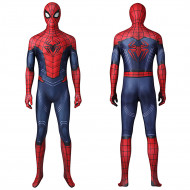
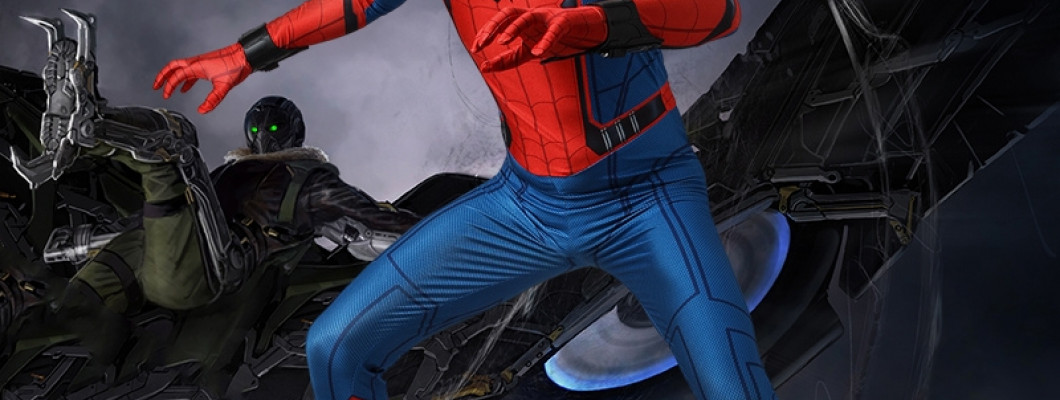
Two Spider-Man costumes can use the same red-and-blue color scheme and still represent noticeably different versions of the character. The mask shape, chest emblem, web pattern, colors, and source material often tell you more than a product title does.
Choosing a Spider-Man suit is therefore less about finding the "best" costume and more about identifying exactly which Spider-Man you want first. Once that is clear, practical details such as the mask, zipper placement, soles, package contents, and sizing become much easier to compare.
Start With Which Spider-Man You Want to Be
The first choice is not fabric or price. It is the character.
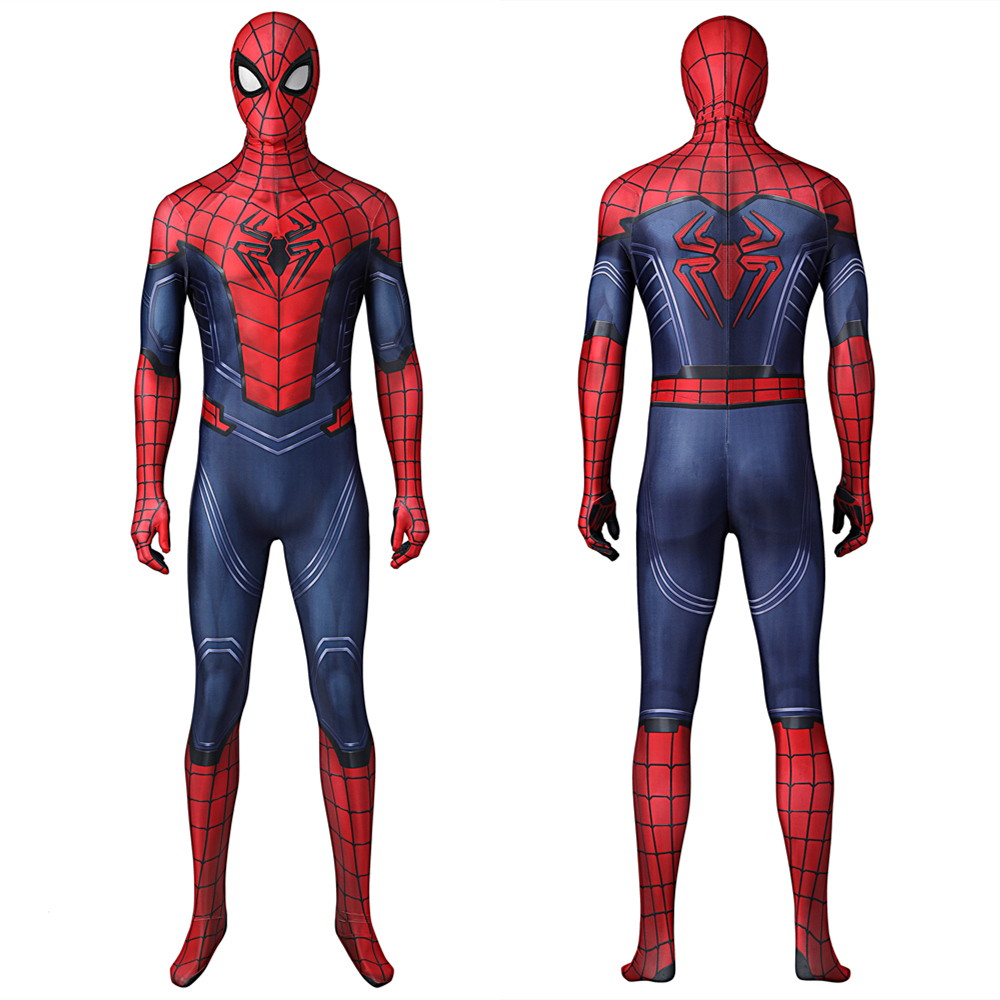
Peter Parker is still the version most people picture first, but a search for Spider-Man costumes now brings up Miles Morales, Iron Spider designs, black suits, game-inspired costumes, and other variations alongside familiar Peter Parker looks.
Peter Parker and Miles Morales are particularly easy to separate visually. Peter's best-known suits usually build around red and blue, while Miles is strongly associated with black and red. Their spider emblems, web patterns, and mask designs also differ.
If you already know you want Miles Morales, there is little value in comparing dozens of Peter Parker suits simply because they share the Spider-Man name. Narrowing the character first removes a large part of the catalog immediately.
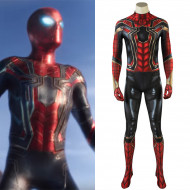
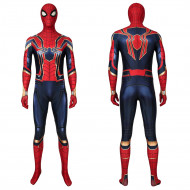
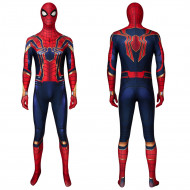
The same principle applies to more specialized designs. Someone looking for the metallic red-and-gold appearance of an Iron Spider suit is solving a very different costume problem from someone trying to recreate a traditional red-and-blue Spider-Man.
Choose a Specific Version Instead of Searching by Color
Picking Peter Parker still leaves another problem: which Peter Parker?
Spider-Man's movie, game, and comic-inspired suits often use similar base colors while changing the details that actually make each version recognizable.
When comparing costumes, look at these areas first:
Mask lenses: Their size, shape, outline, and angle can quickly distinguish one interpretation from another.
Chest spider: The emblem may be compact, stretched vertically, angular, or heavily stylized.
Web pattern: Some designs use dense raised-looking webs, while others have finer or less prominent web lines.
Color blocking: Pay attention to where the red ends and the blue or black begins, especially around the shoulders, torso, forearms, and legs.
Overall finish: Some Spider-Man designs are visually simple and fabric-like. Others imitate armor panels, metallic elements, or technological details.
These features are usually more reliable than vague labels such as "classic Spider-Man costume."
For a particular movie or game version, compare the costume against a clear reference image before buying. A suit can look unmistakably like Spider-Man without being the specific Spider-Man you intended to portray.
Pay Attention to the Source Named in the Listing
A product title that identifies the movie or game gives you a more precise reference point.
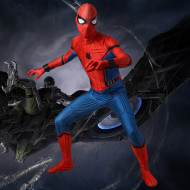
For example, Spider-Man: Homecoming, Avengers: Infinity War, and Marvel's Spider-Man 2 all point to distinct costume designs. That tells you much more than a listing simply described as a "red Spider-Man suit."
The title should still be treated as a starting point rather than proof of accuracy. Compare the mask, chest emblem, web layout, and major color sections with the version you want.
This matters especially when several costumes look broadly similar in thumbnail images. Small design differences become much easier to spot once you compare the chest and mask directly.
Check What You Actually Get With the Costume
Costume photos can create assumptions that the product description does not support.
A model may be wearing a mask, boots, gloves, wrist pieces, or other accessories in the product imagery. That does not automatically mean every visible piece is included.
Before buying, check the package contents specifically.
For many full-body Spider-Man costumes, the basic package may be a jumpsuit and mask. Other versions include additional pieces. One Spider-Man: Homecoming listing from XheroSuits, for example, states that the package contains a jumpsuit, mask, and wristbands, while some other Spider-Man listings state only a jumpsuit and mask.

The rule is simple: trust the stated package contents, not your interpretation of the photo.
Check especially for:
* masks;
* detachable gloves;
* wrist pieces;
* shoe or boot components;
* armor-like pieces;
* detachable accessories.
Any piece that matters to the version you are recreating should be confirmed before you start comparing prices.
The Mask Can Change the Entire Costume
The mask takes up a relatively small part of the costume, but visually it carries a disproportionate amount of the Spider-Man identity.
Look closely at:
* lens shape;
* lens border thickness;
* printed web alignment;
* how the mask connects visually with the neck and torso;
* whether the mask is listed as included.
For close-up photos or version-focused cosplay, lens shape and mask structure become particularly noticeable.
Two costumes based on the same character should not be assumed to use identical masks. If the mask is one of the first details you notice in your reference image, it should also be one of the first details you inspect on the product page.
Zippers Matter More Than They Do in Product Photos
A Spider-Man bodysuit is designed to create an uninterrupted full-body look. That works visually, but access to your hands, feet, or the restroom can become more important once you actually wear it.
Some listings offer optional zipper configurations such as:
* wrist zippers;
* ankle zippers;
* a back U-shaped zipper;
* a crotch zipper.
These options do not make one Spider-Man version more accurate than another, but they can affect how practical the costume is for your planned use.
Wrist zippers may make it easier to free your hands without removing much of the suit. Ankle zippers can simplify access around the feet, while a crotch zipper is mainly a convenience option for longer periods in costume.
You do not need every available zipper. Someone wearing the suit briefly has different priorities from someone spending most of a convention day in it.
Instead of asking whether a suit has more features, ask whether those features solve a problem you are actually likely to have.
Decide Whether You Need Built-In Soles
Some full-body Spider-Man suits offer EVA soles or other footwear-related options.
That changes how you should think about the bottom of the costume. A suit worn over separate shoes behaves differently from one configured with a sole attached to the foot area.
Consider where you will wear the costume before selecting a sole option. For indoor photos or brief use, footwear may be a minor concern. For convention floors, outdoor events, or extended walking, foot protection and ease of movement deserve more attention.
Also check whether the product asks for foot length when a sole option is selected. If it does, treat that as a separate measurement requirement rather than assuming your normal shoe size translates automatically.
Do Not Treat Material Names as a Shortcut for Quality
Spider-Man costumes are commonly made from stretch fabrics because the design depends on a close fit and full-body printed graphics.
Listings may mention polyester, spandex, or blended constructions, but the material name alone is not a useful shortcut for deciding which suit is better.
Check the fabric information alongside the things that affect the actual result: whether the printed design matches the version you want, whether the package includes the expected pieces, whether the available construction options fit your use, and whether the size chart works for your measurements.
Two products can list similar materials and still produce very different Spider-Man looks.
Choose Adult or Kids Sizing Before Comparing Details
Spider-Man costumes are frequently sold in separate adult and kids listings.
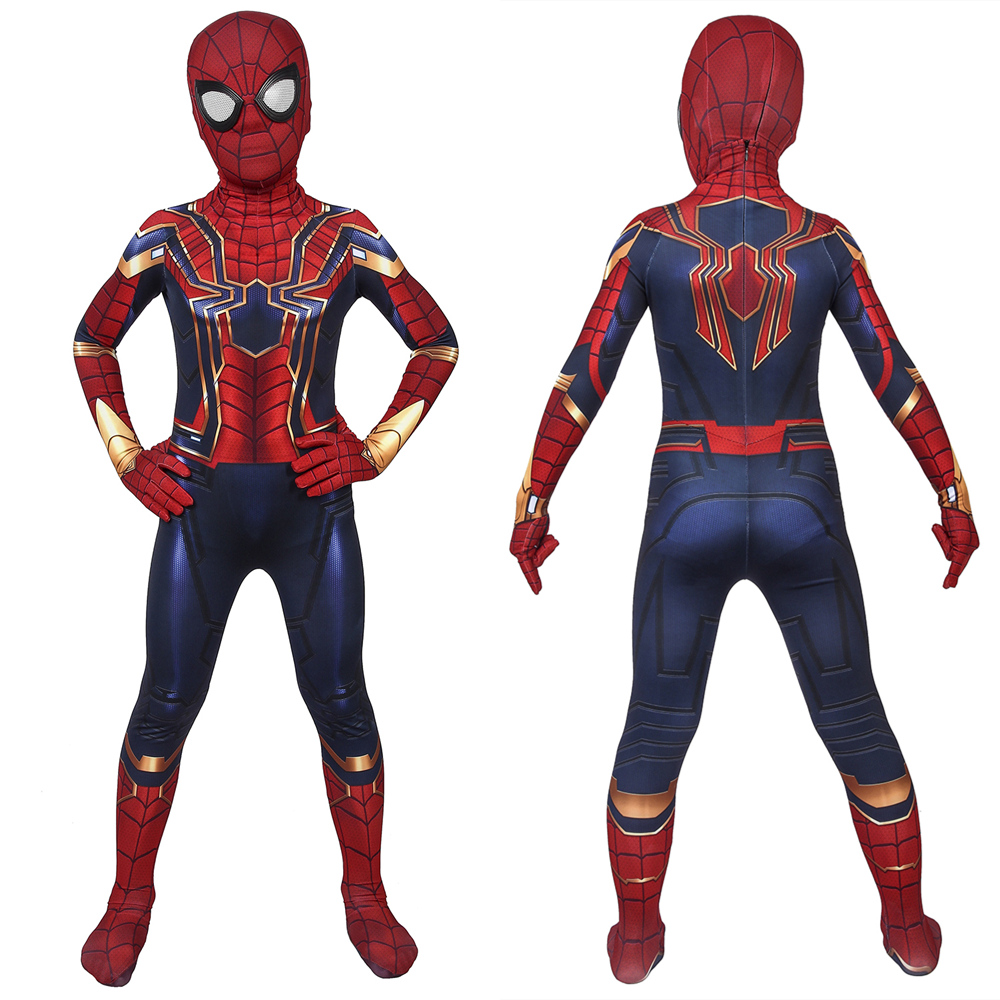
That distinction matters because a children's costume should not be treated as an adult suit with a smaller number attached to it.
Once you find the correct age category, use the size chart attached to that specific product. Costume sizing is not always identical to the T-shirt, jeans, or jacket size you normally buy.
For a close-fitting Spider-Man bodysuit, height and body measurements matter more than the letter printed on the size label.
Detailed measuring instructions are better handled in a dedicated size guide. At this stage, the important point is to confirm that the suit is offered in the correct sizing system before spending time comparing minor design details.
A Simple Order for Comparing Spider-Man Costumes
If several suits still look good, compare them in this order:
1. Is it the correct character?
Peter Parker, Miles Morales, or the specific Spider-variant you want.
2. Is it the correct version or source?
Check the movie, game, comic-inspired design, or suit name.
3. Do the visible identifiers match?
Compare the mask lenses, spider emblem, web pattern, and color blocking.
4. Does the package include what you expect?
Verify the mask and any separate costume pieces rather than relying on photos.
5. Are the practical options appropriate?
Look at wrist, ankle, back, or crotch zippers and sole options if they matter for your use.
6. Is it available in the correct size category?
Check the actual product size chart before ordering.
Following that order prevents a common mistake: spending time comparing technical details between two costumes when one of them was never the version you wanted in the first place.
Browse After You Have Narrowed the Version
Once you know the character, source, and major design details you want, browsing becomes much faster.
The Spider-Man costumes collection at XheroSuits includes Peter Parker, Miles Morales, movie-inspired, game-inspired, alternate suit, adult, and kids designs. Use those distinctions as filters rather than treating the entire category as one group of interchangeable red-and-blue costumes.
At that point, the product specifications become useful for the final decision: confirm what is included, check available zipper or sole options where offered, and use the relevant size chart before ordering.
The biggest mistake is usually not choosing the wrong material or missing an optional zipper. It is buying a perfectly recognizable Spider-Man costume and realizing afterward that it is not the Spider-Man suit you actually wanted.